
Latest News

Hybrid vehicles and FBT changes
Employers that provide plug-in hybrid electric vehicles (‘PHEVs’) to employees (or associates) for personal use should remember the following. Home-charging expenses — new shortcut method The ATO has updated its guidelines to include a new method to make it easier to calculate PHEV electricity costs when a vehicle is charged at an employee’s home. To […]

When a hobby becomes a business
Taxpayers may not think they are running a business from their hobby or ‘side hustle’ activities. However, if they start to earn money from doing these activities regularly, they may be carrying on a business without realising it. Generally, carrying on a business involves ongoing and repeated activities with the intention of making a profit. […]
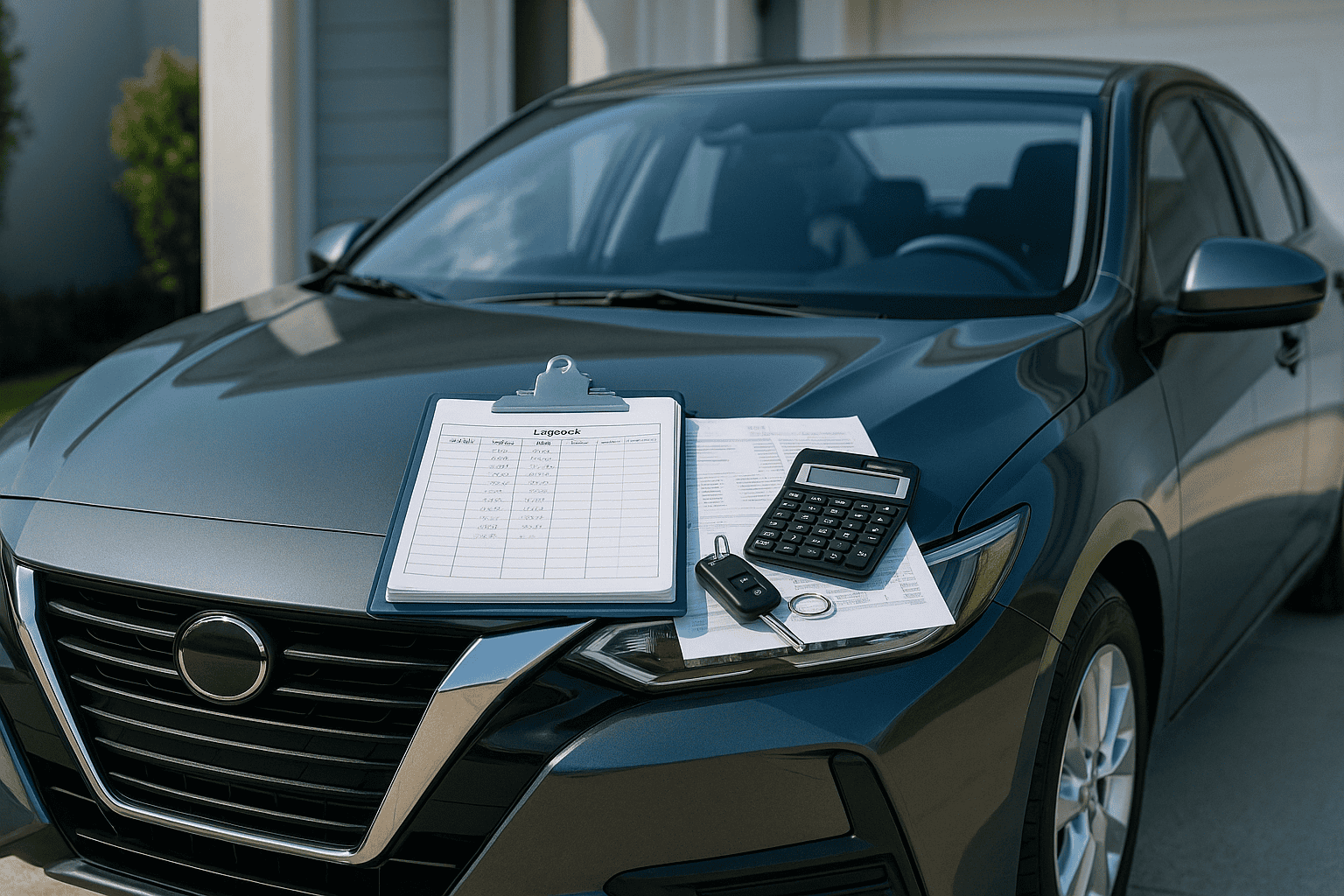
Know when a new logbook is required
Editor: Keeping a car logbook may be required to accurately calculate the business-use percentage of vehicle expenses (e.g., fuel, registration, insurance and depreciation) for tax deductions. Taxpayers can keep the same logbook for their car for five years, but there are circumstances where they may need a new one during that period. Relying on a […]

Work-related expense claims rejected by Administrative Review Tribunal (‘ART’)
The Administrative Review Tribunal (‘ART’) recently disallowed a taxpayer’s claims for many different types of work-related expenses. The taxpayer was employed full-time as an engineer, working from home two days a week. For the 2023 income year, he claimed deductions totalling over $61,000, in relation to (among other things) car expenses, travel expenses, clothing expenses, […]
Check GST credit claims before lodging BASs
Taxpayers who are registered for GST can get GST credit claims (or ‘input tax credits’) for the GST included in the price of goods and services they buy for their business. However, if they buy something for both business and private use, they need to apportion their GST credit to only claim the business use. […]

Government payments programs
The ATO is reminding taxpayers that receive government payments for delivering services under a Commonwealth program, such as healthcare, disability support or child care, that they have an obligation to: keep accurate records; and report any such income they receive in their tax return. The ATO recently advised that it would be contacting taxpayers and […]

Storing correct records for work-related expenses
Taxpayers need to consider what work-related expenses they will be looking to claim in the new financial year, and what records they will need to substantiate those deductions. Records can be kept as a paper version, an electronic copy, or a ‘true and clear’ photo of an original record. Working from home deductions Taxpayers can […]
Receiving payments or assets from foreign trusts
Additional tax liabilities may arise when money or assets of a foreign trust are paid to a taxpayer or applied for their benefit, and they are a beneficiary of the foreign trust. These can include: loans to them by the trustee directly or indirectly through another entity; amounts paid by the trustee to a third […]

Business self-review checklist: GST classification of products
GST classification errors can lead to significant under-reporting of GST for some taxpayers. The ATO recently issued guidance for small to medium businesses on self-reviewing GST classification of food and health products. The use of this guide is not mandatory, although the ATO encourages small to medium businesses to regularly self-review the GST classification of […]

Taxpayers can start lodging their tax returns
With millions of pieces of information now pre-filled (including information from most banks, employers, government agencies and private health insurers), the ATO is giving taxpayers with simple affairs the ‘green light’ to lodge their tax returns. Taxpayers who plan to claim deductions this year should make sure they have the correct records, and, in most […]

Federal Court overturns AAT’s tax resident decision
The Federal Court has recently overturned an Administrative Appeals Tribunal (‘AAT’) decision that a taxpayer was a resident of Australia for tax purposes (even though he was mostly living and working overseas during the relevant period). The taxpayer was a mechanical engineer who became an Australian citizen in 1978. He lived and worked in Dubai, […]
SMSFs acquiring assets from related parties
SMSFs cannot acquire an asset from a ‘related party’ (such as a member or their spouse or relative) unless it is acquired at market value and is: a listed security (e.g., shares, units or bonds listed on an approved stock exchange); ‘business real property’ (broadly, land and buildings used wholly and exclusively in a business); […]