
Latest News

Look Before You Leap: The Small Business CGT Concessions
The CGT relief concessions available to small businesses can be very generous. However they can also be complex and confusing, so knowing a few of the finer details can go a long way to ensuring your small business can take best advantage of them. It’s never too early to consider an escape plan, so when […]

Tips to getting started on the investment property ladder
Tip 1 – Start by paying off any high interest consumer debts (credit cards, car loans etc). There would be no point earning 5%+ pa on an investment if you are paying15%+ on credit card debt. Set up automatic deductions from your salary to accelerate repayments. Tip 2 – Continue the salary deductions after your […]

Life Policy Bonuses and Tax
When a life insurance policy has been held by a taxpayer for 10 years or longer, reversionary bonuses received on that policy are generally tax-free. For policies held for less than 10 years, stipulated amounts are included in the taxpayer’s assessable income, and a tax offset is available. A bonus is not assessable income if […]

Deducations For Finance on a Rental Property
Interest can be claimed for the cost of funds borrowed to purchase a rental property and to meet maintenance costs or running expenses while the rental property is being let (or is available to be let) under a commercial arrangement to generate assessable income. In these circumstances the interest paid is deductible even if it exceeds […]

Tax Deductions Specifically for SMSFs
One overarching fundamental that SMSF trustees should ideally keep in mind is the sole purpose test – that is, every decision made and action taken is required to be seen as being undertaken for the sole purpose of providing retirement benefits for the fund’s members. lf an SMSF trustee incurs an expense in the usual operation […]

Travel Allowances and the Proper Use of the Exception to Substantiate Claims
Travel allowances are a payment or payments made to employees to cover accommodation, food, drink or incidental expenses they incur when they travel away from their home overnight in the course of their duties. In most circumstances, when claiming other deductions, you will be expected to be able to substantiate the expense being claimed with […]

Work-related expense claims rejected by Administrative Review Tribunal (‘ART’)
The Administrative Review Tribunal (‘ART’) recently disallowed a taxpayer’s claims for many different types of work-related expenses. The taxpayer was employed full-time as an engineer, working from home two days a week. For the 2023 income year, he claimed deductions totalling over $61,000, in relation to (among other things) car expenses, travel expenses, clothing expenses, […]
Check GST credit claims before lodging BASs
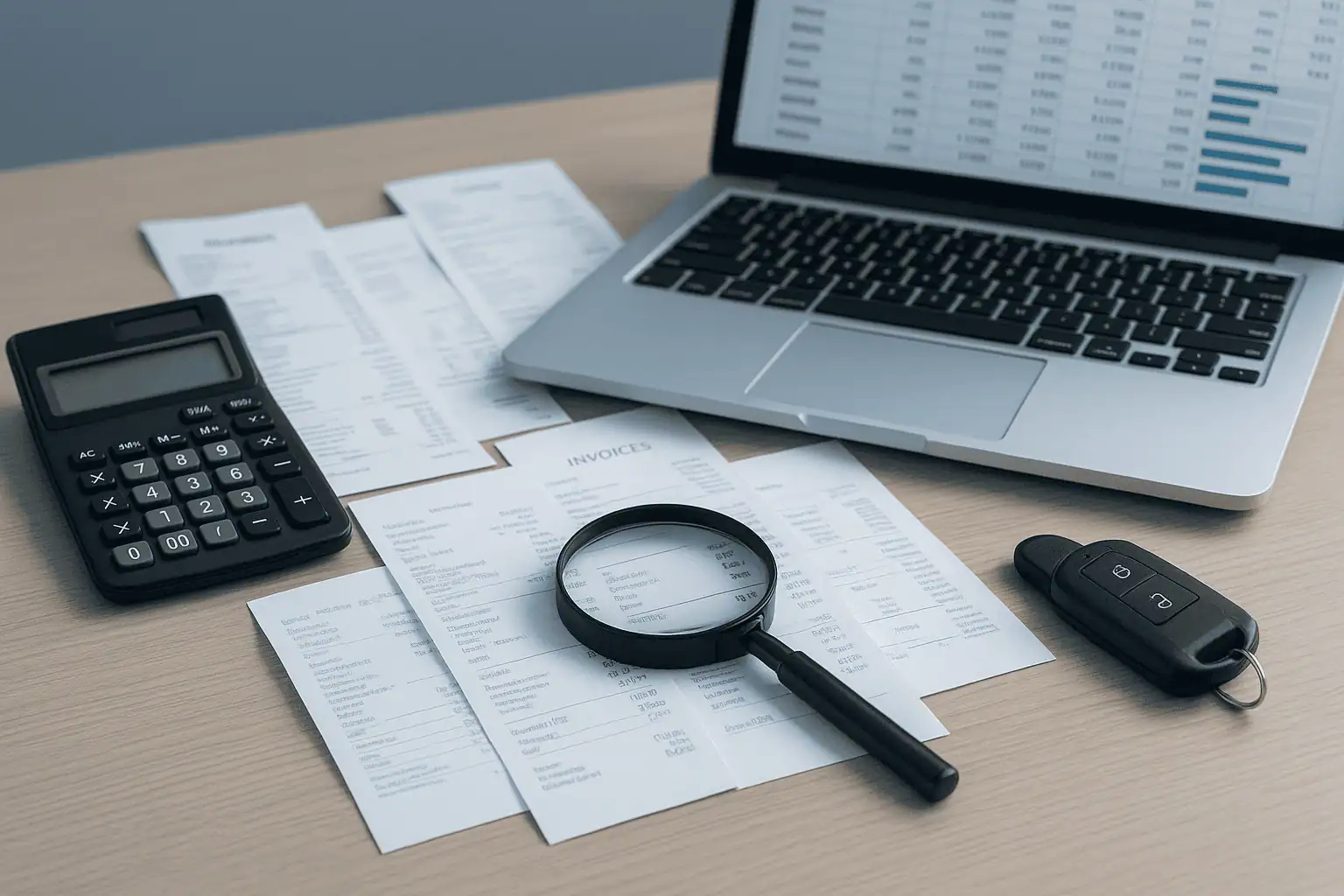
Taxpayers who are registered for GST can get GST credit claims (or ‘input tax credits’) for the GST included in the price of goods and services they buy for their business. However, if they buy something for both business and private use, they need to apportion their GST credit to only claim the business use. […]

Government payments programs
The ATO is reminding taxpayers that receive government payments for delivering services under a Commonwealth program, such as healthcare, disability support or child care, that they have an obligation to: keep accurate records; and report any such income they receive in their tax return. The ATO recently advised that it would be contacting taxpayers and […]

Contractors omitting income
Through data matching, the ATO is seeing some contractors incorrectly reporting or contractors omitting income. Contractors need to report all their income in their tax return, including payments made by businesses for their contracting work. Note that, as part of the taxable payments reporting system (‘TPRS’), certain businesses must lodge a ‘Taxable payments annual report’ […]

Businesses using cash to dodge obligations
The ATO is ‘cracking down’ on businesses that use cash to dodge obligations on their tax, employer and business. Businesses that do this may: – fail to report all sales transactions and fail to issue receipts; – avoid paying GST, income tax, PAYG withholding, super guarantee, insurance and work cover protection; – report their income […]

$20,000 instant asset write-off extended
Editor: The Government recently passed legislation to extend the $20,000 instant asset write-off for small businesses by 12 months to 30 June 2026. Taxpayers should note that if their business has an aggregated annual turnover of less than $10 million, they may be able touse the instant asset write-off (‘IAWO’) to immediately deduct the business […]